







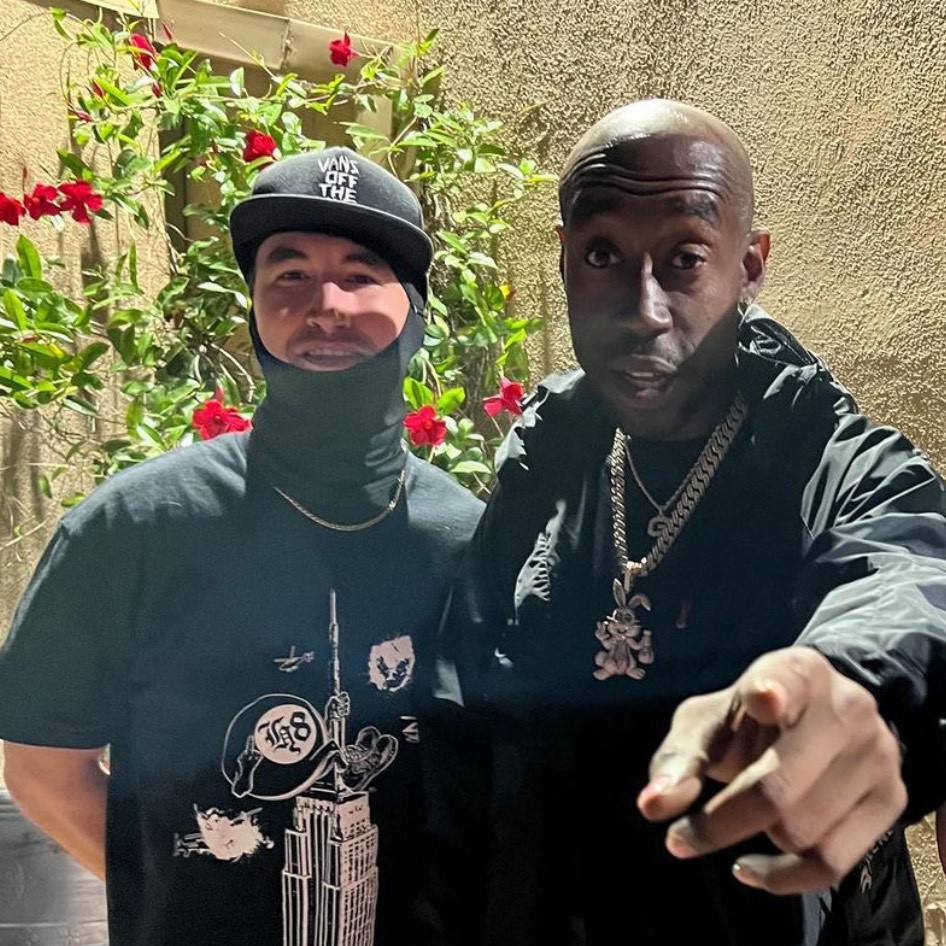
All across the country, opioid overdoses remain a daily emergency. Yet the difference between tragedy and survival often comes down to a single, widely available medication: Narcan. Known generically as naloxone, Narcan can quickly reverse an opioid overdose in a matter of minutes, and it’s designed to be used by anyone, not just medical professionals. Few people understand this better than Nathan “Narcan Nate” Smiddy, a harm reduction advocate based in California who has spent years making sure the public knows how critical this tool is.
Harm reduction is a movement that acknowledges that people are ultimately going to make their own choices. People shouldn’t be written off or dead just because they use substances. But some people really believe they should, which is why it’s especially important to be prepared to reverse overdoses. Harm reduction meets people where they are at. It also encompasses tactics such as dispensing clean needles to stop the spread of disease, disposal containers to prevent paraphernalia being left in unsafe places, as well as other tactics.
The work is highly stigmatized, but it makes everyone safer. Unfortunately, it is not the only thing stigmatized. According to the National Institute on Drug Abuse, “stigma often factors into the reasons why people who need help do not seek care.”
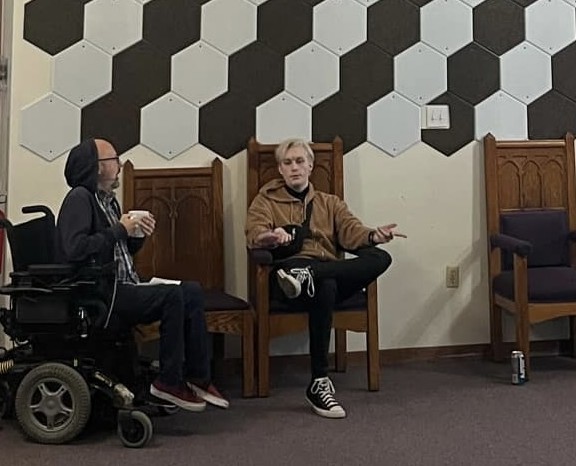
In our interview, Nate explains why carrying Narcan matters, how easy it is to use, and why saving a life should never be left only to experts.
What is Naloxone?
Naloxone is an opioid antagonist. Safe for children. We even have documented cases of it working on dogs.
Do you think we’re moving in the right direction as far as breaking the stigma (such as that substance use is simply a moral failing) surrounding substance users?
We are slowly moving in that direction but not fast enough. In my experience the recovery community exhibits the most stigma.
Why is it important that we make Naloxone accessible to people?
Naloxone access is important because opioid overdose is the number one cause of death in the US for [people aged] 18-45 and every overdose death is preventable.
What is the response to someone who’s saying that Naloxone only enables peoples’ drug use?
Numerous studies show that naloxone doesn’t increase substance use and actually shows that individuals may slow down their use after an overdose. The alternative to this is death. No one deserves to die because they use drugs.
What are the signs of an overdose?
Shallow breathing or no breathing at all, cyanosis of the skin, low pulse under 60bpm, death rattle, fluid lodged [in] throat. [It] sounds like snoring or gargling water.
They may [also have] pin point pupils. Cyanosis of the skin presents as blue/purple around the lips/cheeks and fingers with people with light skin complexion, and in people of color it’s a grey color in the same areas.
How long does Naloxone take to expire?
Naloxone gets a shelf life of 3 years but studies have determined it loses around 4- 10 % of its efficacy over 10 years.
What led you to being so deeply involved with this cause?
I found my friend who was a gang member overdosed with no Narcan and I didn’t want him to go back to jail and or prison and I didn’t wanna go to jail either. I ended up calling and he lived and we both didn’t go to jail. I ran his pockets and hid the paraphernalia and our drugs.
What can a layperson do to help push things forward?
Lay people can volunteer with local non profits. Advocate on social media and attend city council meetings.
—
Opioid overdose deaths are a nationwide problem right now, which obviously includes Chicago. According to the Chicago 2024 Summer Opioid Response: After Action Report, “In Chicago, fatalities due to opioid-related overdoses have risen (…) since pre-pandemic levels, from 855 in 2019 to a high of 1441 in 2021. For Chicagoans, the number of opioid-related fatalities exceed those due to traffic accidents and homicides combined.” Luckily, since the implementation of Narcan, it has not only prevented of the problem worsening, but a modest decline in overdose deaths in Chicago since 2022.
A page on the Cook County Department of Public Health website with more information from the Cook County Department of Health, the county of our school, that says more about Narcan. The department shares information on how “There were 686 opioid-involved overdose deaths in suburban Cook County in 2022” in which “Almost 90% of these deaths involved fentanyl.” The page includes information surrounding the widely available Narcan and how important it is to “Get naloxone. Stop an overdose. Save a life.”
I would like to thank Nate for agreeing to this interview. If you or anyone you know would like some free Naloxone, you may contact Aidan Keeble through [email protected]